Celebrating 7 Years of Halt The Harm Network
It’s November 2016. Sarah sits at her cluttered kitchen table, with a sinking feeling in her gut. The news just broke: a new fracking project is slated to cut right through her small Pennsylvania town. She knows the dangers – poisoned water, polluted air, her community’s health on the line. The oil and gas industry is a behemoth. “Green Slime” billboards dot the highway, and local schools hand out dinosaur-themed oil and gas coloring books. At night, she can see the flares from distant wells across the horizon. The industry has the lawyers, lobbyists, and slick PR campaigns painting them as America First job creators. Meanwhile, people like Sarah are fighting blind. Where do you even begin to untangle the web of complex regulations? How can her small group make their voices heard above the industry’s roar?
Sarah reaches for her laptop, hoping for answers. Instead, she finds fragments – scattered websites offering some legal advice, a few activist groups highlighting different hazards, angry blog posts. Nothing feels cohesive or actionable. The good guys in this story are operating in the dark, each holding a piece of the puzzle but no clear way to put it all together.

A few weeks later, she’s at a community meeting discussing public comment on the wells. Her signs are snappy, the crowd is energized, but deep down, Sarah feels a nagging frustration. They don’t have a real strategic plan, just righteous anger. A veteran activist corners her, “We need a way to share what works,” he says, “A young group in Colorado got their county to increase setbacks. How do we do that?” Sarah has no answer, just the sinking realization of how isolated and outmatched they all are.
Months drag on. The fracking debate rages. Sarah’s group wins a few small battles, and forces some public hearings, but the industry always seems one step ahead. Protests fizzle, and volunteers burn out – what’s left is a sense of frustrated resignation.
In quiet moments, Sarah reflects on what could have been different. What if there was a way to connect with the Colorado activists for advice and insights? What if someone was monitoring the industry’s legal tactics and giving her group a heads-up? What if there was a platform to help Sarah enhance her skills and become a better strategist? What if those fighting the good fight weren’t struggling alone?

Sarah’s story, a narrative inspired by real events, illustrates the challenges of countless individuals and communities who are fighting against the oil and gas industry. Their struggles underscore the urgent need for a support system that connects, empowers, and equips grassroots advocates with the resources and strategies to effectively fight back. This is precisely the gap that the Halt the Harm Network (HHN) set out to fill when it was launched in 2016.
As we reach the seven-year milestone, it’s the perfect moment to look back at the journey, exploring the successes, challenges, and pivotal moments that have defined HHN as an essential ally in this fight we must win.
From Grassroots to Global Advocacy: The Halt the Harm Network Journey
In the fight against the negative impacts of the oil and gas industry, grassroots advocates often find themselves isolated, under-resourced, disagreeing with each other, needing skills, and facing a well-funded and politically connected adversary. Recognizing these challenges, the dynamics of the work, and the importance of all their efforts, Netcentric Campaigns, a nonprofit organization dedicated to empowering advocacy efforts through innovative network-building strategies, launched the Halt the Harm Network (HHN) in 2016.
HHN is a pioneering initiative that connects individuals from across organizations working to protect communities from the harms caused by fracking and gas development. Over the past seven years, HHN has grown into a thriving network of volunteers and staff from more than 920 organizations, representing 48 U.S. states, D.C., and several countries outside the U.S.
Within this vast network are thousands of dedicated leaders from groups such as Fractracker Alliance, Physicians for Social Responsibility, Mountain Watershed Association, People Over Petro, Hip Hop Caucus, Environmental Health Project, Earthjustice, Citizens Climate Lobby, GasLeaks, Food and Water Watch, Moms Clean Air, and Texas Environmental Justice Advocacy Services (TEJAS).
This case study celebrates the remarkable growth of HHN, marking a milestone of 5,108 leaders and a reach of nearly 25,000 supporters. It showcases HHN’s unique approach to network building—supporting the movement by helping leaders feel less isolated and more connected, while pushing power out to grassroots advocates across the country. And of course, without the early and continued support of visionary funders who believe in the power of grassroots leadership to drive meaningful change, HHN would not have been able to build the infrastructure, provide the services, or scale the network’s reach. Their partnership has been instrumental in turning shared aspirations into real-world impact.
Mobilizing Networked Advocacy to Fill the Void
The idea for Halt the Harm Network emerged from a Network Opportunity Assessment conducted by Netcentric Campaigns, which involved a deep review of the anti-fracking campaigns in Pennsylvania, New York, and across the country, an analysis of social media and traditional media coverage, a look at the grants data and reports by foundations, and – most importantly – open and wide-ranging interviews with dozens of leaders from across the country in a network assessment process. The assessment revealed threats and fragmentation of the movement, the need for resources at the front lines, and a critical need for an effort that could connect advocates, provide essential support services, and facilitate collaboration and resource sharing in the fight against the oil and gas industry. The story from our fictional Sarah, is a composite of interviews and realities that inspired the start of Halt the Harm Network.

Netcentric Campaigns recognized that no other organization was addressing the need for a comprehensive, connected network in the fight against the oil and gas industry, and stepped in to fill that gap. The initial research laid the foundation for HHN’s mission: to network people to disrupt the oil and gas industry’s harmful practices and protect the environment and public health by connecting and empowering advocates. As the final firewall against the largely unchecked expansion of drilling, the Halt the Harm Network facilitates collaboration, encourages creative approaches and builds capacity for a movement that can neutralize the power and influence of the oil and gas industry.
Challenges at the Front Lines of Advocacy
The oil and gas industry, and its fracking activities will push our planet and ecosystems beyond a point of suitable recovery long before carbon-reduction measures have an impact. Curbing methane pollution from top contributor countries is a critical priority for any serious global climate effort. As one of the world’s largest producers, domestic controls of the industry in the U.S. are essential.

But the oil and gas industry is a formidable opponent, with vast financial resources and significant political influence. Companies in this sector invest heavily in lobbying efforts, campaign contributions, and public relations campaigns to shape opinion and public policy in their favor. Fighting such a powerful industry is an inherently challenging task, requiring a strategic and coordinated approach.
HHN recognized several key challenges faced by grassroots advocates:
- Marginalization and isolation of individuals and groups working on similar issues.
- Lack of access to essential services, expertise, and resources scattered throughout the environmental movement.
- Difficulty in adapting to the industry’s evolving tactics and countermeasures.
- Limited networking opportunities and platforms for collaboration.
To address these challenges, HHN set out to build a connected, agile, and intelligent network of people designed to push power out to the people in the field to advance their fight against the pollution, injustice, and adverse impacts of the oil and gas industry.
Amplifying Voices: The Rise of a Network
The Halt the Harm Network (HHN) employs a network-centric strategy to connect and support individuals across groups fighting against the harms caused by the oil and gas industry. At the core of HHN’s approach is the belief in the power of network-building to amplify the impact of advocacy efforts. The network serves as a hub for trust building, energy building, communication, resource sharing, and collaboration – allowing members to learn from each other, share best practices, and coordinate their activities for maximum effect.
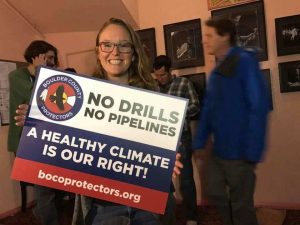
HHN’s strategy is to create a platform for the movement, where people and organizations with services and tools can connect with grassroots advocates who need these resources. By facilitating these connections and providing a ready-made audience, HHN enables more effective and efficient support for grassroots efforts.
Key strategies and principles that guide HHN’s work include:
- Connectivity: Increasing connections between diverse actors in the movement by providing an inclusive platform to bridge gaps, share knowledge, and enable collaboration. This includes focused outreach to recruit key leaders, especially in communities near industry threats. HHN facilitates collaboration among members by providing access to services, mentorship, and resources.
- Agility: Making previously-buried resources like skills, data, and reports from various organizations more accessible to grassroots groups in clear, usable ways. HHN works with service providers to package their expertise into “Halt the Harm Special Offers” that frontline groups can readily leverage. The network regularly reviews, analyzes and enhances strategies and tactics for continuous learning and improvement.
- Intelligence: Leveraging the power of a networked set of activists and support teams who can collaborate remotely. This includes providing facilitators to manage campaigns, rapidly spreading new findings through the network, and hosting expert-led campaign accelerators on key topics.
- “Thousand Cuts” approach: Consistently supporting local leadership in numerous localized campaigns to challenge industry practices and narratives. By empowering many small-scale efforts, HHN aims to collectively weaken the industry’s influence through persistent, widespread grassroots actions with real impact.
HHN has successfully built a distributed network of locally-led campaigns that are well-resourced with budgets, digital support, communications, and expert access. This network has consistently challenged the oil and gas industry, increasing its costs, intensifying scrutiny, and driving significant victories for grassroots efforts. These efforts have not only strengthened the movement but have also increased local resistance and organizing power. As a result, the industry is facing growing opposition, and the expansion of its harmful operations is being actively combated.
Milestones, Momentum and Impact
Over the past seven years, HHN has played a crucial role in numerous victories and successful campaigns against the oil and gas industry. From supporting grassroots efforts to shaping national conversations on fracking and pollution, HHN has proven invaluable to the movement. One such example comes from Physicians for Social Responsibility, who worked closely with HHN on a high-impact report.
“Halt the Harm provided outstanding advice and support for publishing Physicians for Social Responsibility’s report “Fracking with Forever Chemicals.” They helped us create a release strategy to maximize the report’s visibility and impact to local activists, educated interested groups about the risks of forever chemicals (PFAS) in advance of the release, and scheduled events following the report’s release to maintain the report’s visibility. We would highly recommend working with Halt the Harm to educate the public on environmental and health issues and to build support for policy change.”
–Barbara Gottlieb, Director of Environment & Health Physicians for Social Responsibility and Dusty Horwitt, consultant with PSR and author of “Fracking with Forever Chemicals”
Beyond this example, HHN’s work has led to a wide range of impactful initiatives across the movement, including:
- Supported members in campaigns to ban fracking in New York State and fight the Dakota Access Pipeline.
- Facilitated resource sharing, strategy development, and communications support among members.
- Provided a platform for members to connect, share experiences, and learn from each other.
- Empowered grassroots leaders with access to expertise, mentorship, and campaign tools.
Our members consistently highlight the significant impact the network has had on their efforts. As one member shared: “Being a part of HHN has been a game-changer for our organization. Through the network, we’ve been able to connect with other groups facing similar challenges, share resources and strategies, and amplify our message. HHN’s support has been invaluable in our fight against fracking in our community.”
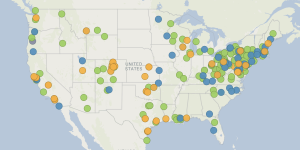
The Halt the Harm Network spans the country, growing stronger every day.
HHN’s efforts have continued to expand and deepen across various fronts, leading to initiatives such as:
- Promoting conferences and virtual events: Including the Community Sentinel Awards and Better Path Coalitions conference.
- Engaging in rulemaking processes: Assisting leaders with organizing comments and petitions related to federal methane rules and banning the transportation of fracking fluids in the Delaware Basin.
- Introducing engagement opportunities: Partnering with organizations like Fractracker and Earthworks to generate interest among local leaders in North Dakota and Texas by promoting the Oil and Gas Threat Map.
- Collaborating on environmental issues: Organizing water-focused webinars in Colorado, attracting over 90 participants and initiating coordination efforts among leaders.
These milestones demonstrate the breadth and depth of HHN’s work, and its ongoing momentum will continue to be a driving force in the fight against the oil and gas industry. HHN remains committed to empowering grassroots leaders and advancing the movement toward meaningful, lasting change.
Lessons Learned: The Strength of People-Powered Organizing
As we reflect on the past seven years of HHN, several key lessons have emerged from our experiences fighting the fracking and oil and gas industry. These insights not only helped us overcome significant challenges, but they also offer valuable strategies for anyone involved in grassroots organizing. Whether you’re working on environmental issues or other social causes, these lessons can be applied broadly to strengthen and empower movements, making them more effective in driving meaningful change.
Effective Support: Working with more than 5,000 grassroots leaders and staff for the past seven years has taught us that success comes down to the people. When someone tells you what they need, listen and give them what they ask for if you can. Help out, pitch in, and act accordingly when working with allies. People matter most in movement building. We need sustained efforts to recruit, build skills, expand networks, support during tests, and back them as they engage new folks.
People-Centered Approach: Real progress is only going to occur as the movement rises as a group. Listening to and addressing the needs of grassroots leaders is essential. The fate of the climate agenda and the success in fighting the oil and gas industry ultimately depend on the quality of the people, their skills, their network, their fortitude, and their ability to influence others.
Offer Instant Reward and Value to the Participants: People are generally reluctant to join another network. However, if the services and benefits outweigh the perceived burden, they will join. Participants come for the initial promise but stay for the community. Building networks without providing valuable services and a clear promise to users is a dead end.
Power of Connection: Connecting individuals and organizations with shared goals amplifies impact. Fostering communication, collaboration, and resource-sharing breaks down barriers and leverages collective expertise.
Political Influence and Movement Building: Centralized insider games may seem to produce progress, but it’s an illusion until the movement has the might to drive the progress. Political influence drives government direction. Progress in places like NY, MD, and CA is genuine and seems to promise lasting impact due to the closure of the CO fracking loophole in NY, the end of permits in CA, and the bans and moratoriums in MD. But without the organized clout, the progress in PA with a former fracking fighting State Attorney General now as Governor seems limited at best. Movement building and support is key.
Intense Opposition and Persistent Threats: The oil and gas industry employs aggressive tactics, including lawsuits, SLAPP suits, and infiltration attempts. Backed by vast financial resources, they are highly effective at political and regulatory capture. The industry’s pollution and influence are even more damaging than initially understood, underscoring the urgency of our ongoing fight. This battle remains critical at every level.
Adaptability and Agility: Creating a connected, flexible network helps grassroots leaders adapt to changing circumstances and pursue innovative approaches. This adaptability ensures that movements can respond quickly to emerging threats and seize new opportunities as they arise.
Continuous Improvement: Regular after–action reviews and member feedback are crucial for refining strategies and enhancing support. By fostering a culture of continuous learning, we can fine-tune our tactics and remain effective in an evolving landscape.
These lessons underscore the importance of people-powered organizing and highlight the successful application of these strategies by HHN. By continuously applying these insights, we have built stronger, more resilient movements that effectively challenge powerful industries and drive meaningful change.
Charging Forward: HHN’s Ongoing Commitment to Advocacy and Change
The road ahead for HHN involves building on its solid foundation of lessons learned, strategies, and network-centric advocacy. As we move forward, HHN will focus on four key areas: connectivity, agility, intelligence, and expanding the success of our “thousand cuts” approach. These focus areas will guide our efforts and position us for continued success in empowering grassroots leaders, driving impactful advocacy, and pushing back against the oil and gas industry in the years to come.
Connectivity
- Expanding Membership: Focus on inclusive outreach to recruit key leaders and communities near industry threats, ensuring a diverse and robust network that bridges gaps between various actors in the movement.
- Increasing Accessibility of Services: Keep expanding efforts to ensure all members have access to resources, including translation services, creating accessible materials, and offering training for members.
- Enhancing Partnerships: Increase partnerships with other organizations to build a stronger movement and amplify the impact beyond individual campaigns.
- Building Alliances: Strengthen alliances with other environmental and social justice movements, creating a unified front on intersecting issues.
- Fostering Community and Solidarity: Develop more local and regional events, along with an advanced digital platform and app, to enhance real-time communication, sharing of strategies, and collaboration among members.
Agility
- Strengthening Member Support and Services: Enhance training programs on advocacy, digital campaigning, legal strategies, and leadership. Develop a mentorship program to support new members with experienced activists’ insights.
- Health and Wellness Resources: Offer resources for mental health and wellness, recognizing the burnout and stress associated with environmental activism to ensure members are not just effective but resilient.
Intelligence
- Developing New Strategies: Leverage network intelligence to develop distributed campaigns countering evolving industry tactics, including ongoing investment in tools for real-time collaboration and campaign management.
- Continuing Research and Expert–Led Accelerators: Conduct and support research into the impacts of fracking and effective strategies, sharing insights through the network and hosting expert-led campaign accelerators on emerging issues.
“Thousand Cuts” Approach
- Micro-Grants for Local Campaigns: Implement a micro-grants program to empower grassroots actions, allowing for innovative and adaptable approaches to emerge from within the community.
- Legal and Technical Support: Provide legal and technical expertise to members, especially those in high-stakes situations, packaging this expertise into “Halt the Harm Special Offers” for frontline groups.
Looking Ahead: Building on Seven Years of Impact
As we celebrate seven years of the Halt the Harm Network, this milestone signifies more than just time—it embodies the strength of grassroots advocacy and the collective power of our movement. Over the past seven years, HHN has built a powerful, connected network that amplifies the voices of grassroots leaders, helping them challenge the oil and gas industry’s harmful practices.
Through network-building, resource sharing, and adaptability, HHN has laid a solid foundation for lasting change. But this is just the beginning. As we continue to grow, HHN is poised to drive even greater impact, positioning the network as a leading force in environmental and social justice movements for years to come.
HHN’s success is a testament to the transformative power of collective action and the vital role of supporting those on the frontlines. As the network continues to grow and evolve, our hope is that it stands as both a model and an inspiration for others seeking to build effective, resilient, and impactful movements for change.
There’s never been a better time to get involved. Whether you’re an advocate looking to connect with others, access resources, and strengthen your local efforts through the Halt the Harm Network, or a funder interested in supporting this vital work, we invite you to reach out. Visit Halt the Harm Network to join the movement, or explore how you can support broader network-building initiatives by learning more about our funding partners or contacting us here. Together, we can halt the harms of the oil and gas industry and build the power needed for lasting change.