
Featured Projects: Advocacy Networks in Action
Building advocacy networks for wicked problems
At Netcentric Campaigns, we believe lasting change begins by connecting people around the challenges they care about most. We build advocacy networks that help organizations, leaders, researchers, and community members share knowledge, strengthen relationships, and take more effective collective action. Through practical tools, shared learning, and network infrastructure, we help movements grow stronger together.
Our projects span some of today’s most pressing social, environmental, and civic challenges. From confronting the harms of oil and gas development and harmful AI infrastructure to strengthening civic participation and advancing clean water and sanitation, each initiative reflects the same core belief: strong networks enable people to solve wicked problems that no organization can address alone.
Below are a few of the advocacy networks and initiatives we’re building alongside our partners, each designed to help people connect, collaborate, and create lasting change.
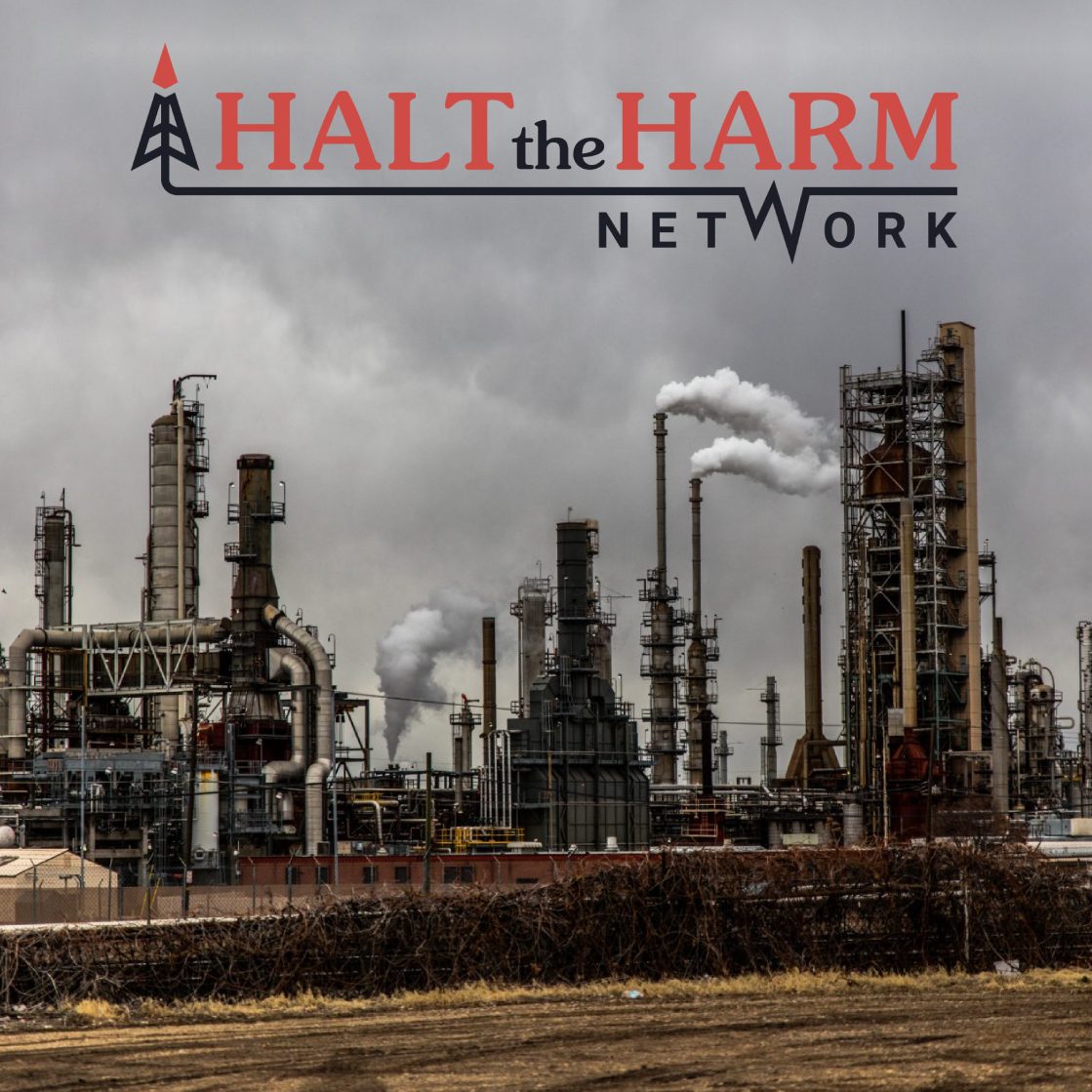
Halt the Harm Network
Uniting communities to fight the harms of fracking and oil & gas development.
The Halt the Harm Network empowers individuals and organizations with tools, strategies, and connections to challenge the harms caused by oil and gas development. Together, they’re creating powerful coalitions that push for healthier, more sustainable communities.
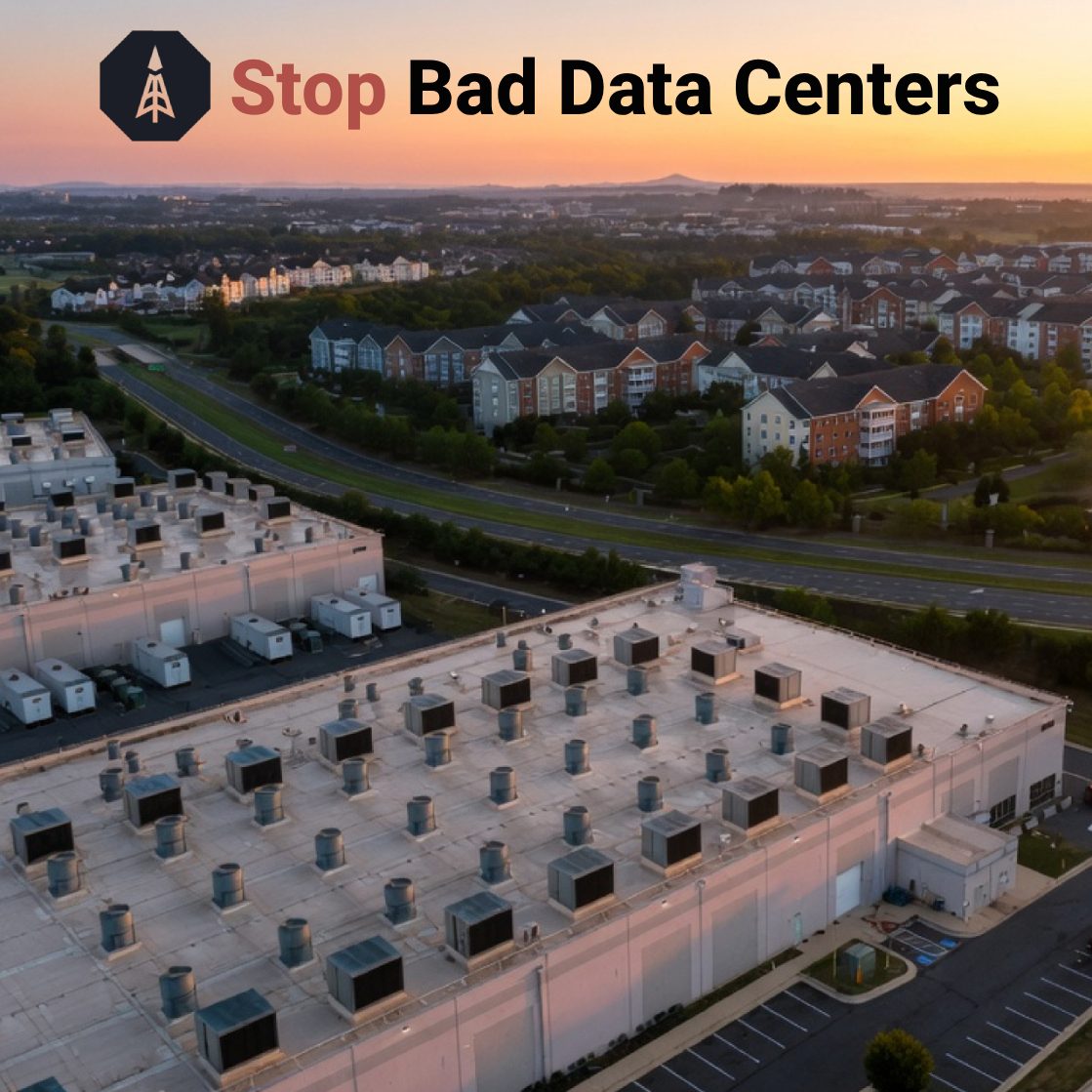
Stop Bad Data Centers
Connecting people against the harms of AI infrastructure and data center development.
Stop Bad Data Centers connects community leaders, organizers, researchers, and technical experts working to address the impacts of large-scale data center development. Through shared knowledge, practical resources, and peer connections, the network helps local efforts move faster, learn from one another, and build stronger responses together.
Networked Nation
Coming Soon.

WashDesk
Transforming water, sanitation, and hygiene access for 500K people in Ghana.
WashDesk strengthens water, sanitation and hygiene services by improving communication, accountability, and engagement between community members and service providers. This networked approach ensures more reliable and sustainable water and sanitation systems.