
Beyond Infrastructure: The Missing Piece in Public Works Planning
When major infrastructure and development projects are planned—whether it’s a water and sanitation system, a public transportation network, or a renewable energy initiative—the focus is often on the physical elements. Success is measured in terms of what gets built: pipes, roads, power grids, and facilities.
But at Netcentric Campaigns, we’ve seen time and time again that infrastructure alone isn’t enough. Sustainable, long-term success depends just as much on the “soft components”—the human networks, relationships, and governance structures that support, maintain, and advocate for these systems.
So how do we think beyond infrastructure and into sustainable, network-driven government-led master planning—where these soft components are integrated just as intentionally as physical infrastructure?
This post explores how Netcentric Campaigns helps organizations, governments, and advocacy groups integrate organizing and building capacity among a network of people into government-led master planning, ensuring that infrastructure projects don’t just get built—but actually last and continue to serve the communities they’re designed for.
Integrating the ‘Software’ of Networks with the Hardware of Infrastructure Planning
Many large-scale projects struggle not because the technical planning was flawed, but because the big new projects miss the needed boost to the necessary social infrastructure to support them. Some common pitfalls include:
- Disconnect between engineers, planners, and communities.
- Assuming infrastructure alone is enough.
- Policy & governance gaps.
- Failing to recognize both the need for a network and who should be in it.
- Lack of long-term community engagement.
This gap between physical infrastructure and social sustainability is where network-driven planning makes all the difference.
How Netcentric Campaigns’ Approach Fills the Gap
At Netcentric Campaigns, we specialize in people-powered network-building strategies that ensure infrastructure projects are not only implemented but also sustained and continuously improved. By focusing on soft components—such as community engagement, governance structures, and long-term advocacy—we help projects avoid common pitfalls and create lasting impact.
1. Strengthening Community Networks for Sustainability
Infrastructure is only as strong as the people who sustain it. Whether it’s a water system, a transportation project, or an energy initiative, success depends on local stakeholders being informed, empowered, and actively involved.
To strengthen community networks, Netcentric Campaigns helps:
- Crystallize & organize local networks.
- Ensure that information flows effectively between stakeholders.
- Strengthen grassroots advocacy efforts.
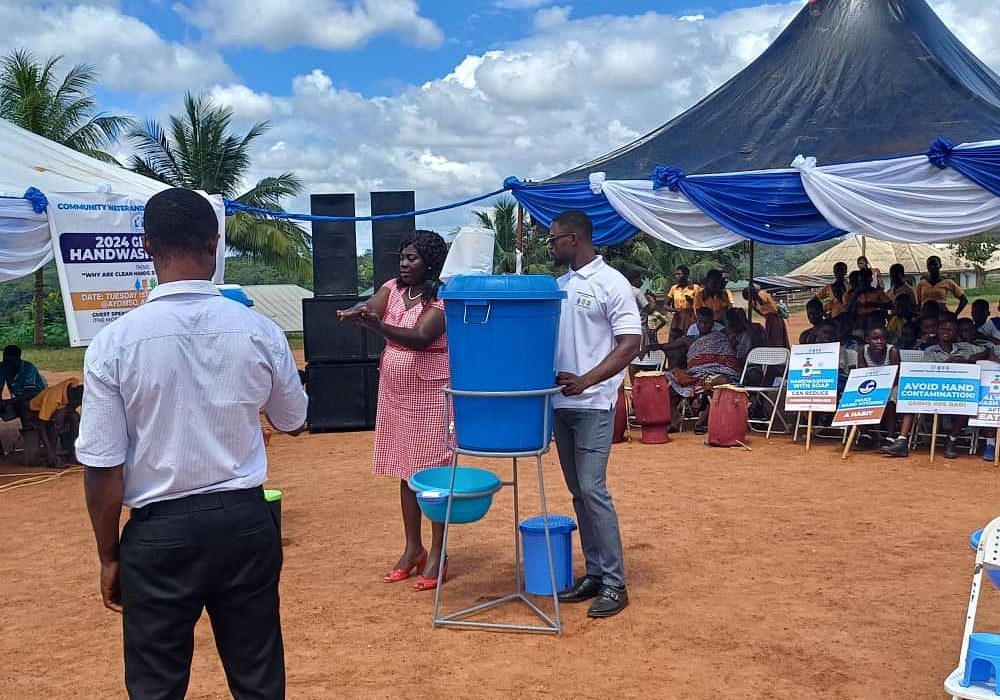
One project that embodies this approach is WashDesk, improving water and sanitation service delivery in Ghana’s Ahafo Region.
2. Ensuring Behavioral and Institutional Buy-in
Planning for large-scale public systems is not just about building infrastructure—it’s about ensuring that these systems are adopted, trusted, and used effectively.
To create long-term adoption, Netcentric Campaigns helps:
- Develop behavior change initiatives.
- Work with institutions & government agencies.
- Establish frameworks for ongoing engagement.
3. Embedding Accountability and Governance Models
Many infrastructure projects fail long-term due to a lack of governance models to track performance and hold stakeholders accountable.
Netcentric Campaigns helps by:
- Reinforcing local government staff and leadership models.
- Developing policy & advocacy networks.
- Building communication pathways between stakeholders.
The Results
- Increased service accountability.
- Stronger community engagement.
- Sustained improvements.
Applying These Lessons Beyond WASH
While WashDesk is a powerful example of network-driven planning, the same principles apply to infrastructure projects across multiple sectors.
Large-scale infrastructure planning needs more than just technical execution—it must ensure that the systems fit into the daily lives of the people they serve.
Large-Scale Infrastructure Planning Needs More Than Infrastructure
At Netcentric Campaigns, we don’t just look at what gets built—we focus on who supports it, who sustains it, and how it continues to serve communities over time.
For large-scale infrastructure planning to be effective, we need to move beyond just designing and constructing infrastructure and start investing in:
- Strong networks of engaged stakeholders.
- Ongoing education, behavior change, and community trust.
- Long-term advocacy and governance structures.
WashDesk is just one example of how we apply these principles—but this approach is critical across every sector.
Let’s Rethink Large-Scale Infrastructure Planning—Together
Infrastructure alone isn’t the solution. People-powered networks make it last.
Let’s build sustainable, network-driven solutions. Contact us to learn how we can help.